The Most Important Piece of Gear that Most of us Forget/Neglect until it is too Late
Remember when technology promised things would get smaller and lighter? Well, photography didn’t get that memo.
A professional camera setup—complete with a full-frame body, a 70-200mm f/2.8 lens, a 50mm, a heavy-duty tripod, and spare batteries—easily weighs more than a chunky toddler. Now slap that super telephoto lens onto your camera’s body, cram a rain-jacket, a flash, a bottle of water, a cell phone, a snack, and whatever else you may take along in your bag - and your peaceful nature walk turns into a hardcore military rucking march, fit to fell a Marine.
That’s the problem I encountered shortly after I’d turned fifty, and it irritated the heck out of me. Of course, my husband offered to lug my bag, but – I am pig-headed - and a firm believer that IF I cannot carry my gear, I either need to:
a. find a new hobby (which is/was not an option), OR
b. fix the problem.
I realized: the most valuable piece of gear I own is my body!!! I had to get fit and build strength if I wanted to continue my photography hobby! I had to start working out.
But, how in the world was I going to add a workout routine to my already busy schedule? I simply didn’t have the bandwidth to go to a gym.
Remember: If I can do it - You can do it!
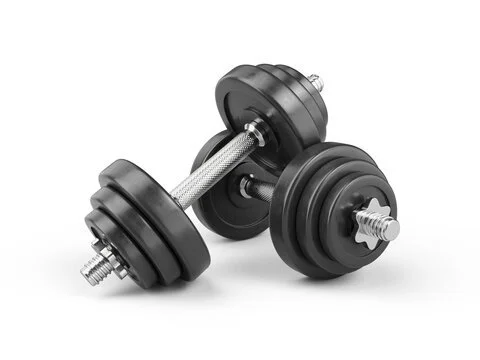
So, I started lifting water bottles and milk jugs until I had the time to buy a couple of dumbbells (5lbs at $10 each), a box of resistance bands ($15), and a yoga mat ($20). Grand Total: $55… Peanuts compared to what I had shelled out for that new R5, but sooooo worth it!!!
Think about it like this: If you struggle lugging your backpack and gear, your core, shoulders, and upper back do not have the muscular stamina to support that weight. Your body will compensate by placing all that pressure onto your spine, and NOTHING will veto your golden-hour landscape shot faster than a slipped disk.
With the dumbbells, I was able to do simple exercises like deadlifts, farmer's walks, and overhead presses, and my camera bag stopped feeling like a boulder. It started feeling like a backpack again.
But – a workout routine doesn’t just help you to carry your gear. You know what they say, right?
Change your perspective; get low; don’t take pictures like a tourist.
Well, that’s fantastic advice if you’re in your twenties, thirties, and forties, when you effortlessly drop into a deep, full squat to capture a macro shot of a mushroom, bounce right back up, and keep walking like it was nothing.
But, when you are older, when your legs are more Jell-O than muscle, dropping into a deep squat without proper leg strength can easily become a point of no return. Your knees go – POP – and suddenly, you’re one with the moss, looking for a sturdy tree branch, or a kind stranger to hoist you back into a vertical position. You don't need a creative perspective; you need a crane.
Strength training ensures that when you drop low to capture a dramatic reflection in a puddle, you can actually stand back up without needing to dial emergency services.
That’s why it is important to train your quads, glutes, and hamstrings! Leg day may quite literally be the only thing standing between you and an embarrassing rescue operation in a public park.
The good news is: you do not need a gym membership to strengthen your legs. You can start by doing squats. If you want to make it more challenging, do the squats while you carry the dumbbells from the previous paragraph, or use milk or water jugs.
I actually pepper squats into my day-to-day, now. In the kitchen, grabbing things out of the bottom drawer - I add a few extra squads. In the laundry room, folding clothes – I throw a couple of squats in there. Heck, walking from one room to the other, I drop a quick five squats. It’s do-able!
Last but not least, photographers need a steady hand, but as we age, keeping our hands still can be a game of chance.
Working on grip strength and core stability is what keeps you from dropping a dumbbell on your face. In photography, that exact same core stability allows you to hold your breath and shoot at 1/15th of a second in low light without your image looking like an abstract watercolor painting.
A strong core is the ultimate built-in image stabilization system.
So, if you want to continue your photography hobby or profession into your seventies, eighties, or nineties, do not neglect the most important piece of gear you have –
YOUR BODY